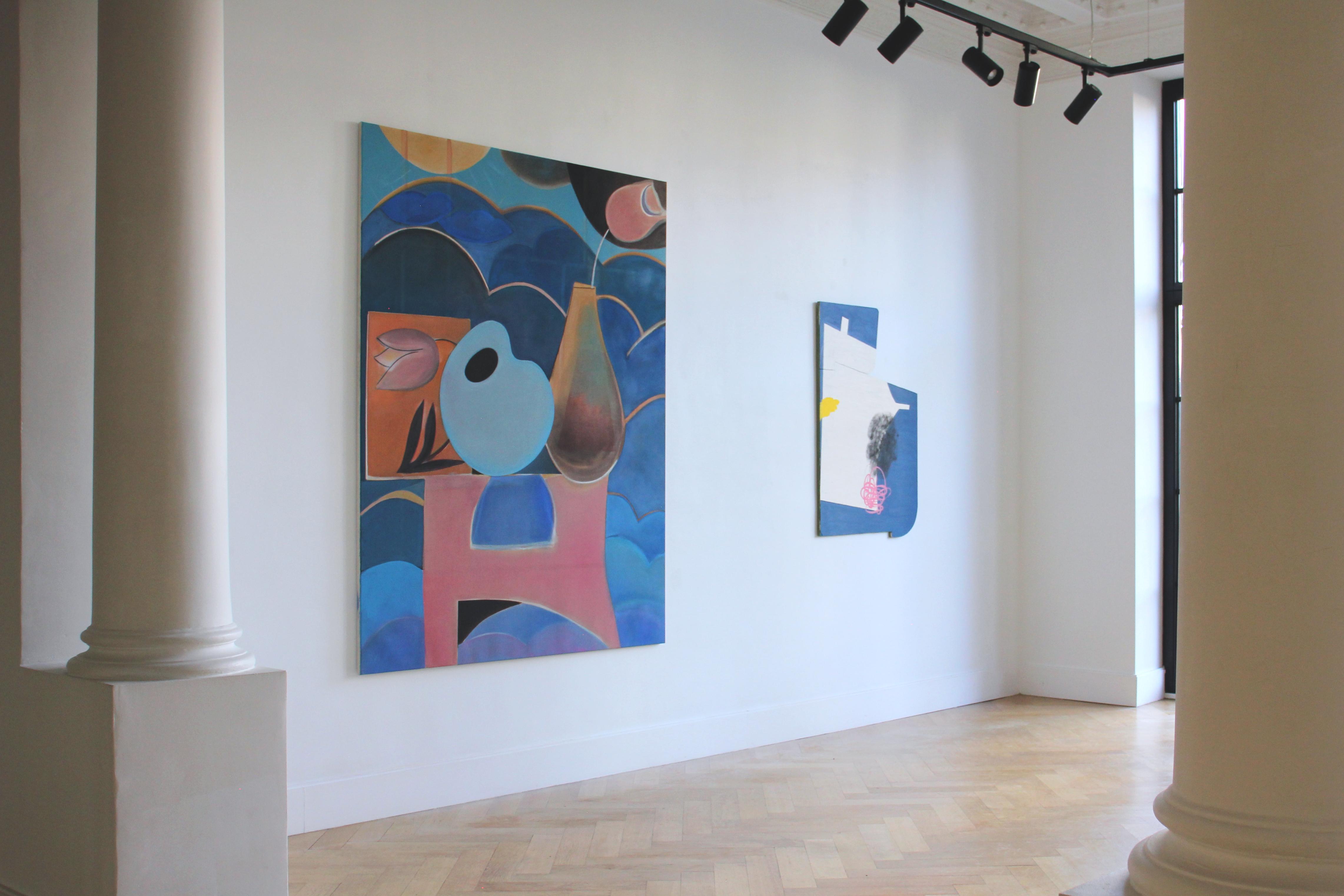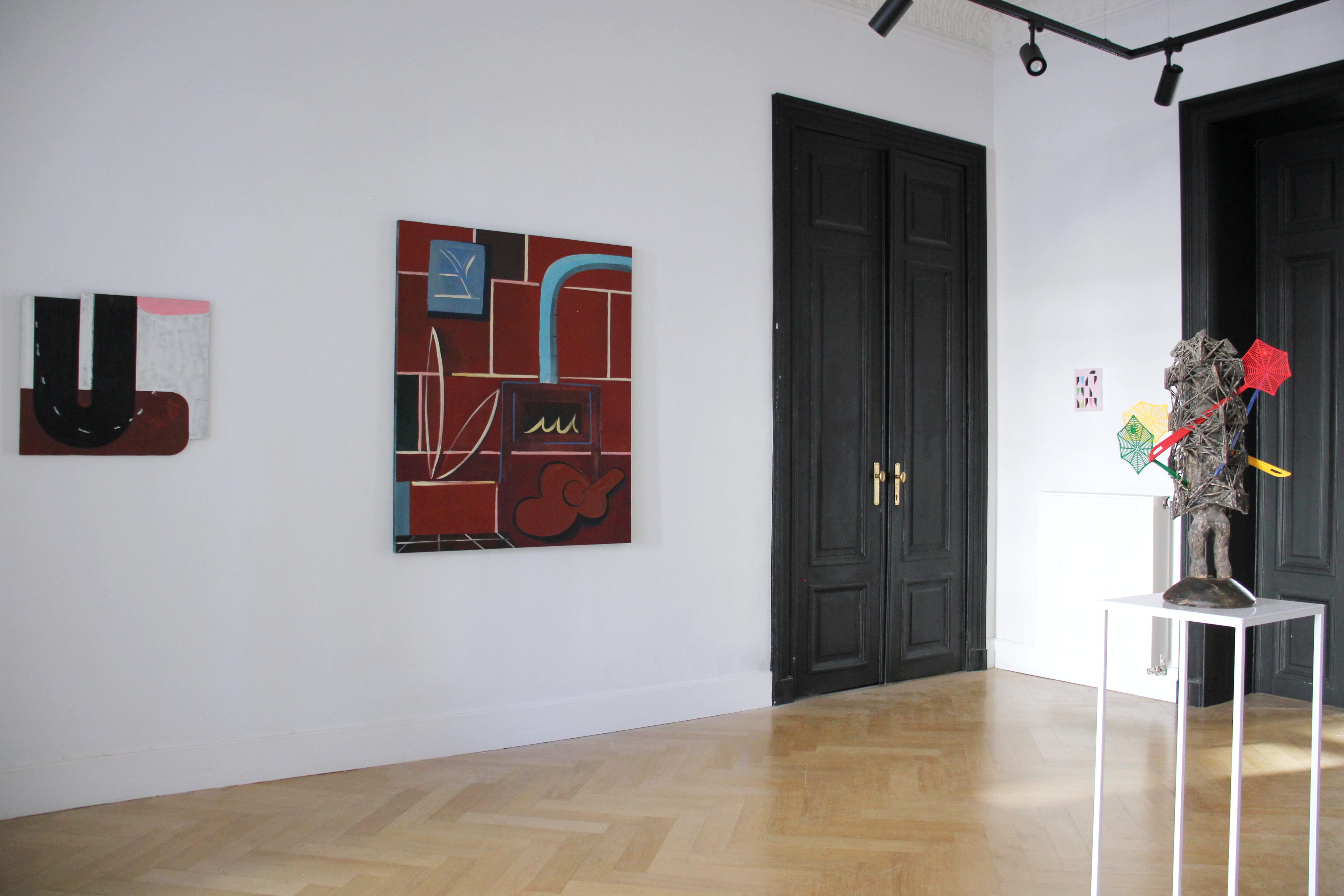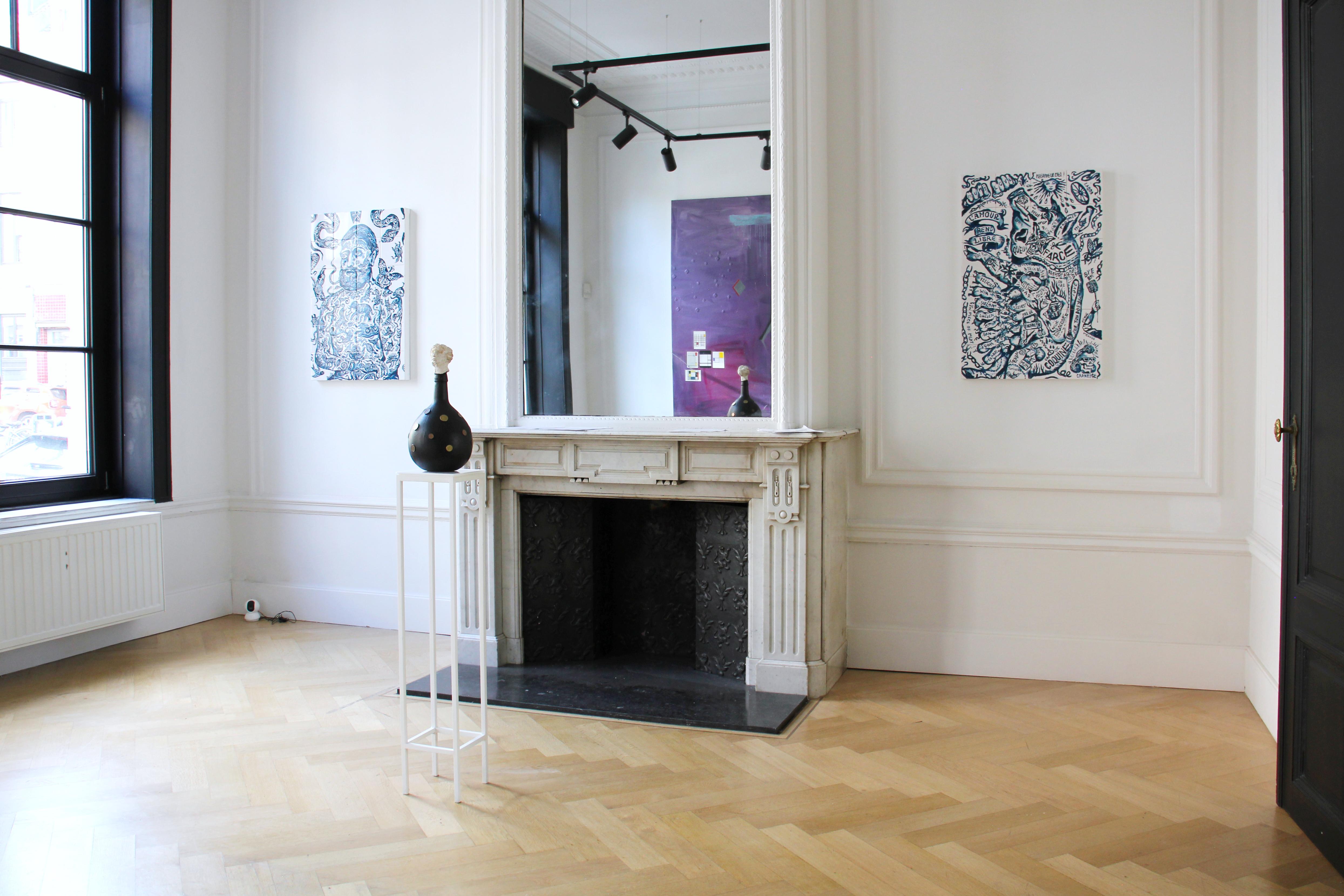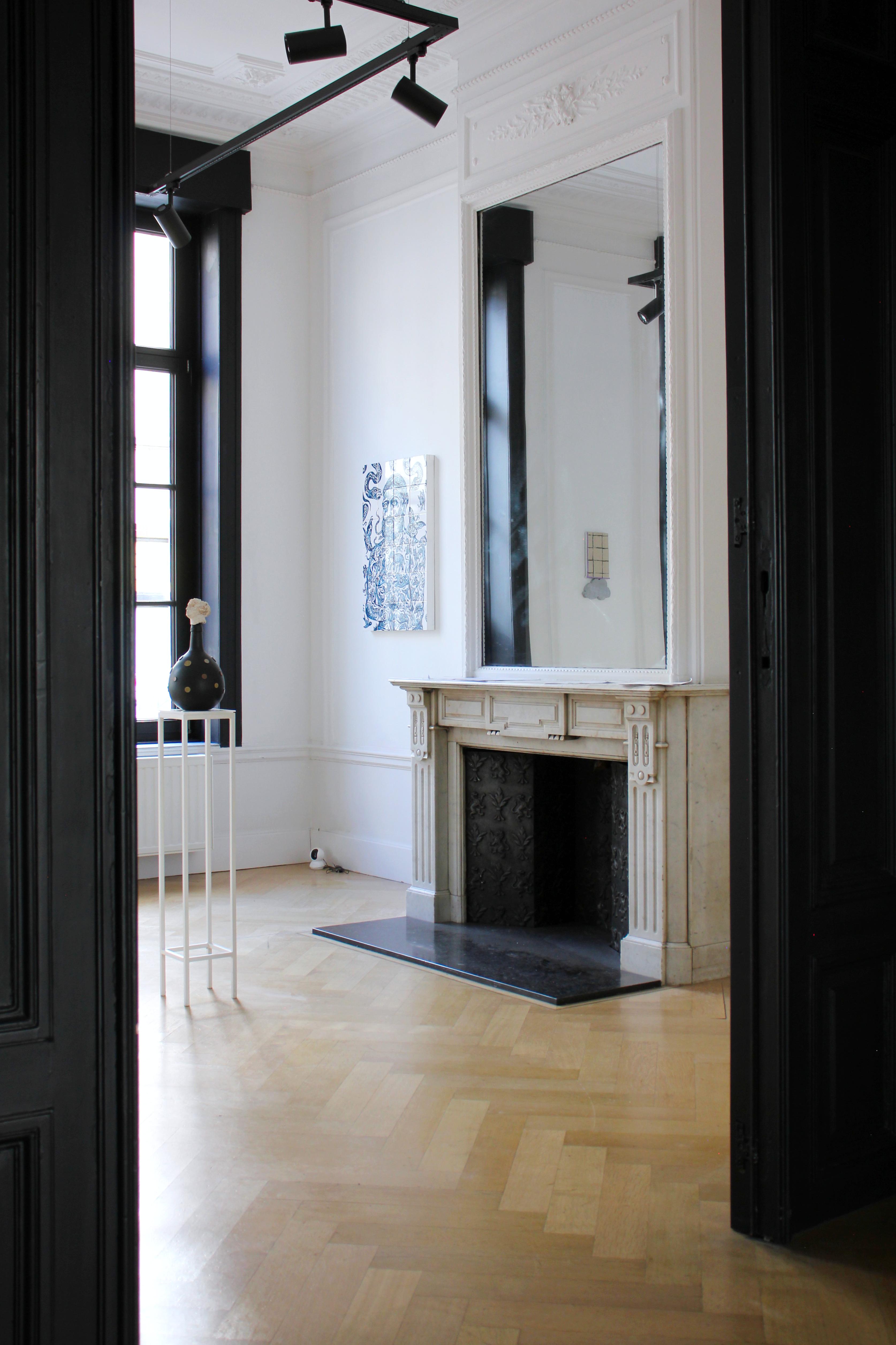
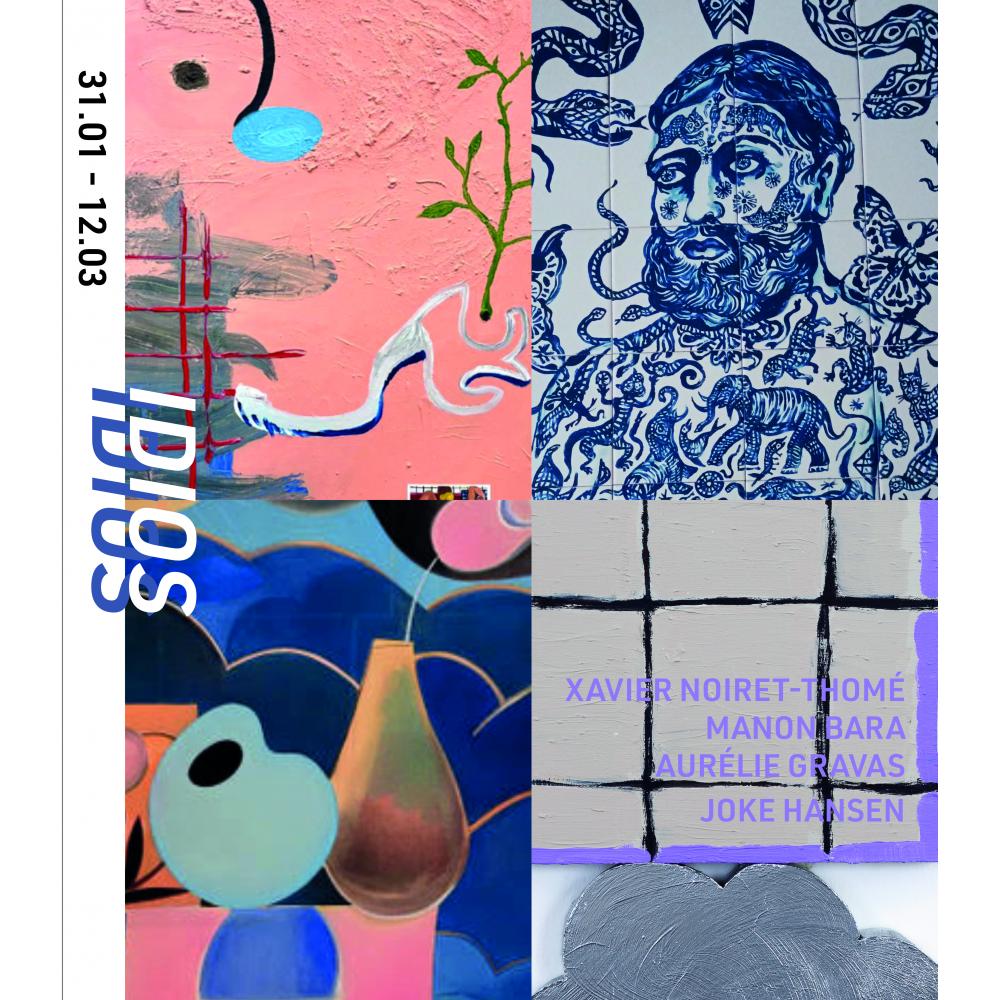
I.D.I.O.S.

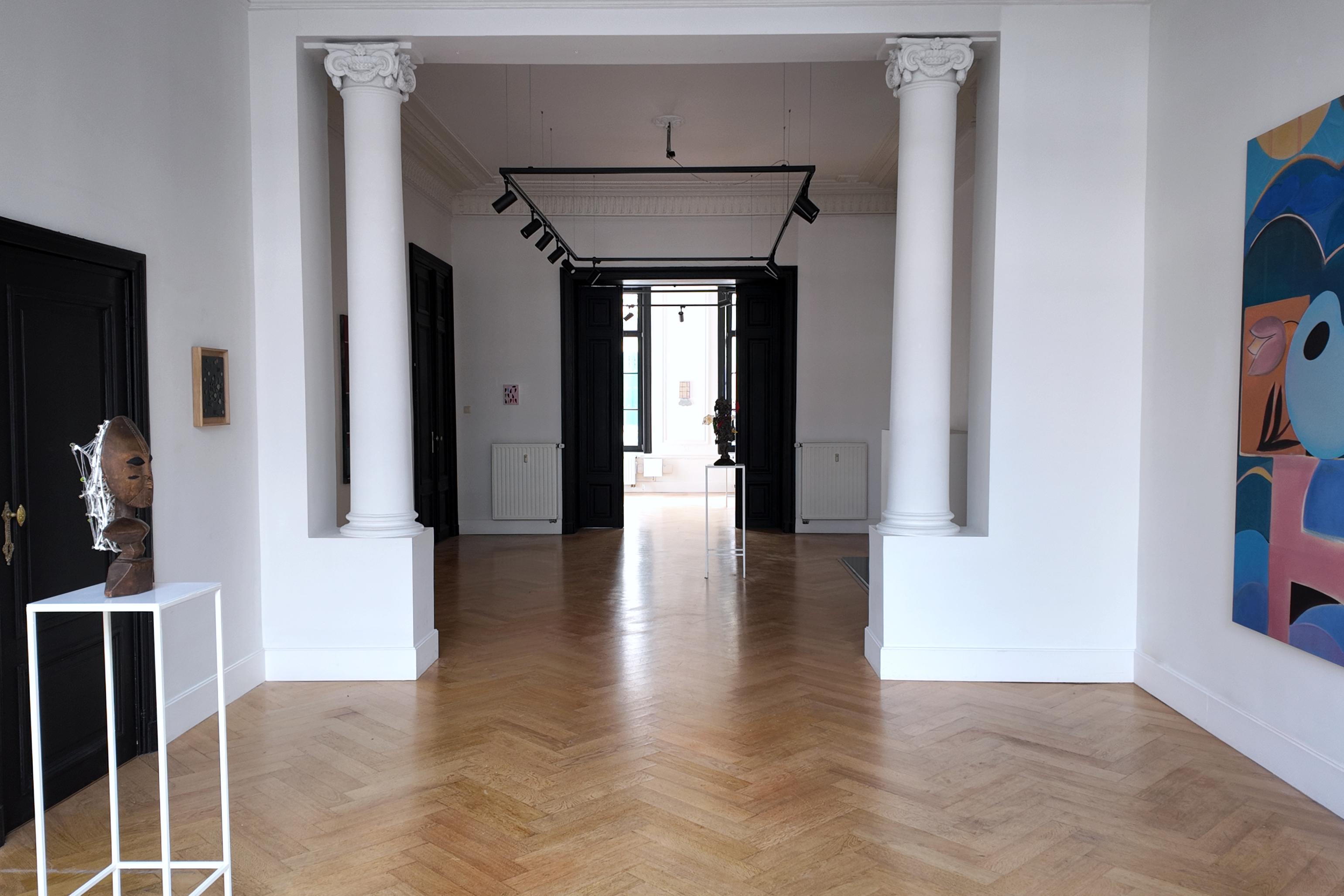
In Gallery

31/01/2026 - 12/03/2026

ἴδιος is a situation.
With this exhibition, it is hard to resist the allure of its title — Idios — and not read it as a kind of speculative invitation. Idios is an ancient Greek term. It denotes what is one’s own, particular,singular: that which belongs to someone yet cannot be shared, that which pertains to private use rather than the public realm.
Taken seriously, the term is inherently ambiguous. It points as much to the assertion of singularity as to a form of withdrawal, even isolation. Idios is not something that can be immediately shared; it designates what resists equivalence, comparison, or categorization.
But to reduce Idios to such a narrow program would be to betray the very commitment of this exhibition. It would turn a condition — that of the singular, the personal, of what asserts itself through concrete situations — into a mere theme or framework. The artists presented here,
however, do not offer answers to this call: their practices do not aim to illustrate singularity,but to complicate it.
What appears here as an “object” requires no defense. Nor does it need explanation.
Responses and justifications already exist within a dense web of gazes, discourses, categories, and values that both precede and accompany it. Art history and criticism too often treat works as mere artifacts: they situate them, compare them, and slot them into sequences,lineages, and periods. They have produced effective frameworks, operational categories, and criteria of recognition and taste. Consequently, having taste is rarely a matter of sensitivity. It is more a question of an ability to situate — and, in doing so, to situate oneself — within a history (a hierarchy) that is as rigidly delineated as it is naturalized. The art world produces artists and works that, when the machinery runs smoothly and aligns with the workings of the market,transform into fetishes: stabilized, credible, exchangeable objects, seemingly detached from the very struggles with and against which their creator labored.
We often approach works as if they were affirmative or interrogative statements—the familiar refrain of the artist who “questions...”—when what matters is to identify what these works exist against, and the technical and symbolic alliances they forge in order to endure and resist collapse.
Seen from this angle, a work is not an object, and singularity is not a property of the artist, but a matter of alliances. And this is what must be explained: idios always emerges from situations,tactics, uncertainties, and choices that far exceed the history of art and the expressive, romantic individualism typically associated with it. It is as if each artist negotiates and struggles with—and against—that which surpasses them: the entire world.
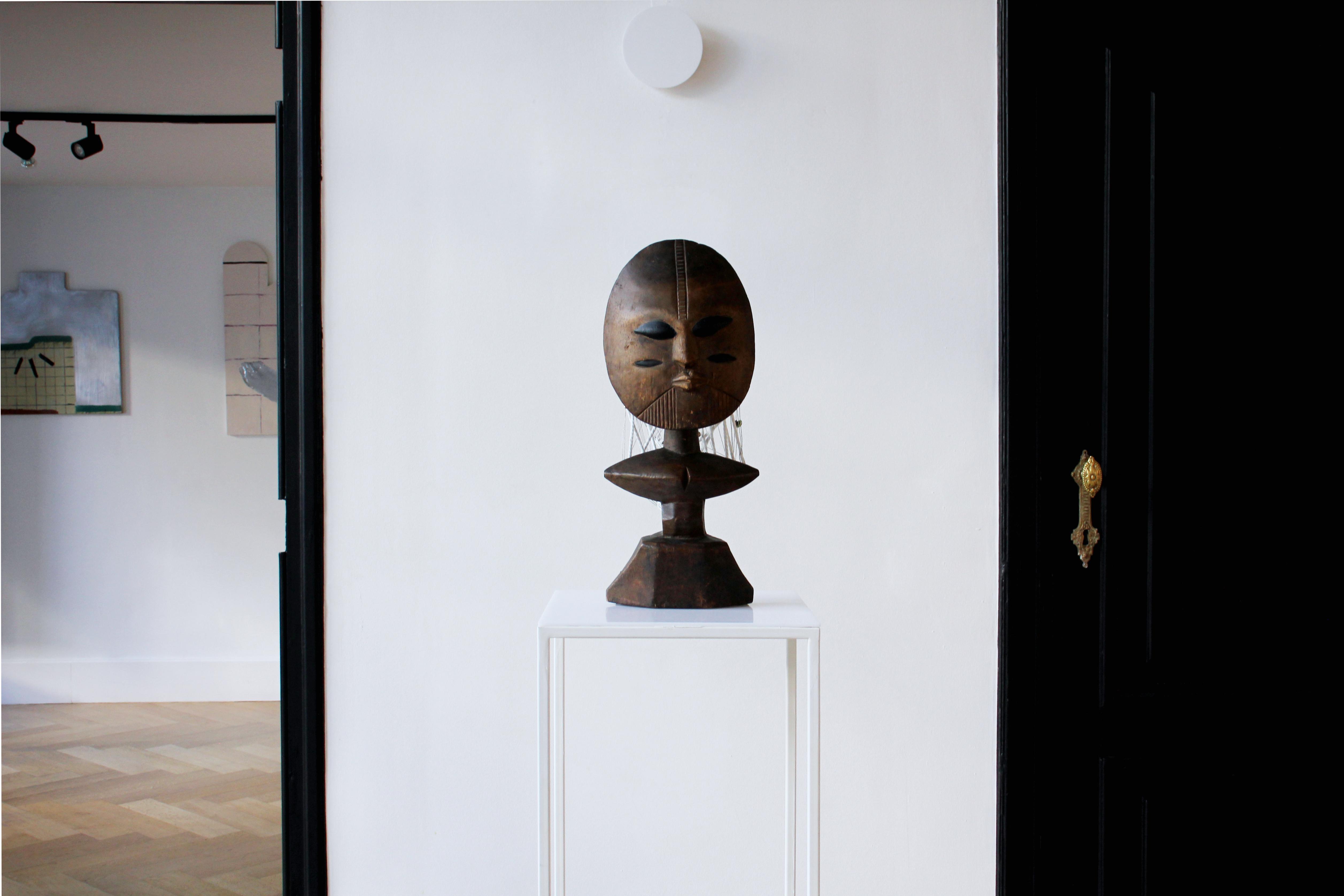
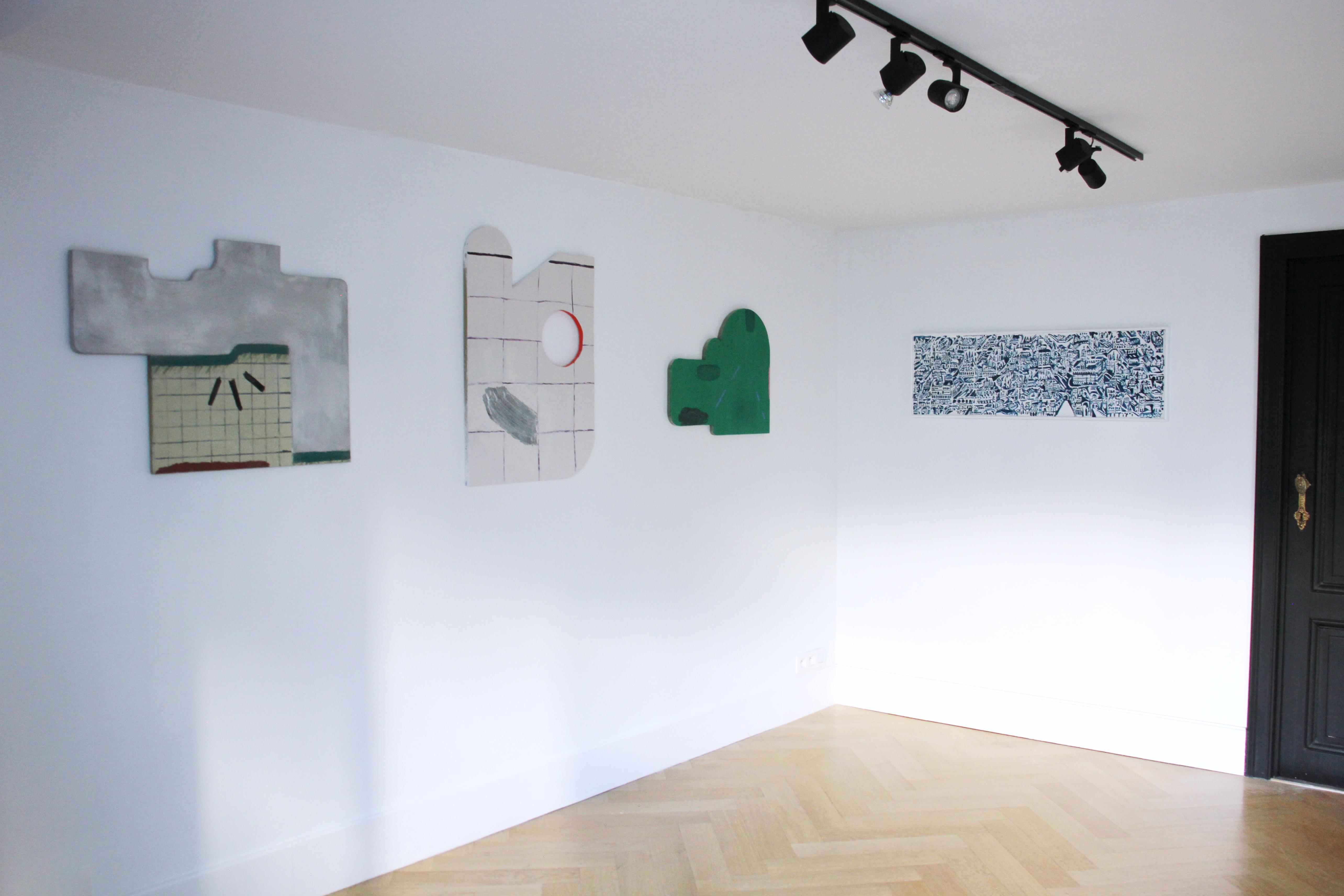
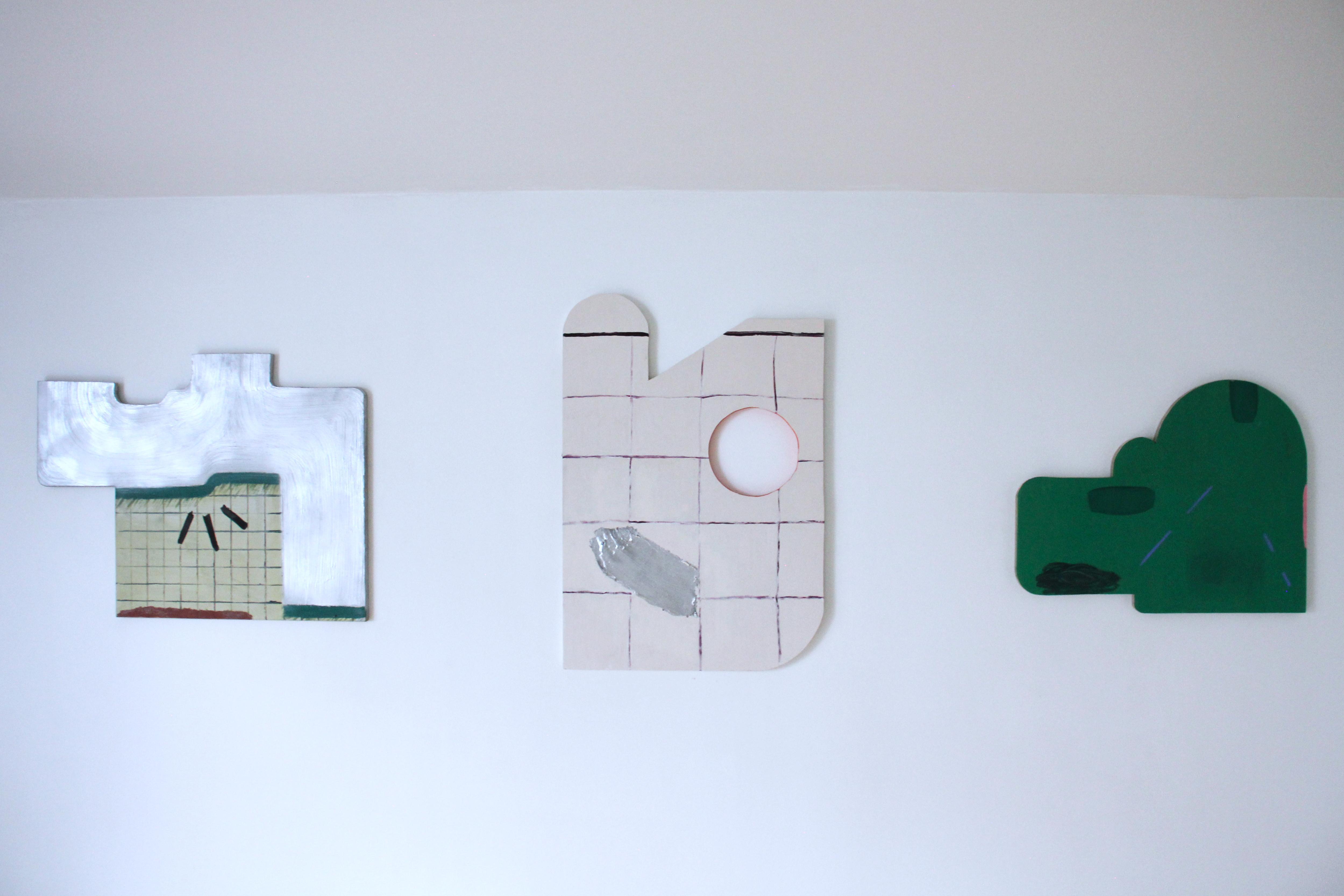
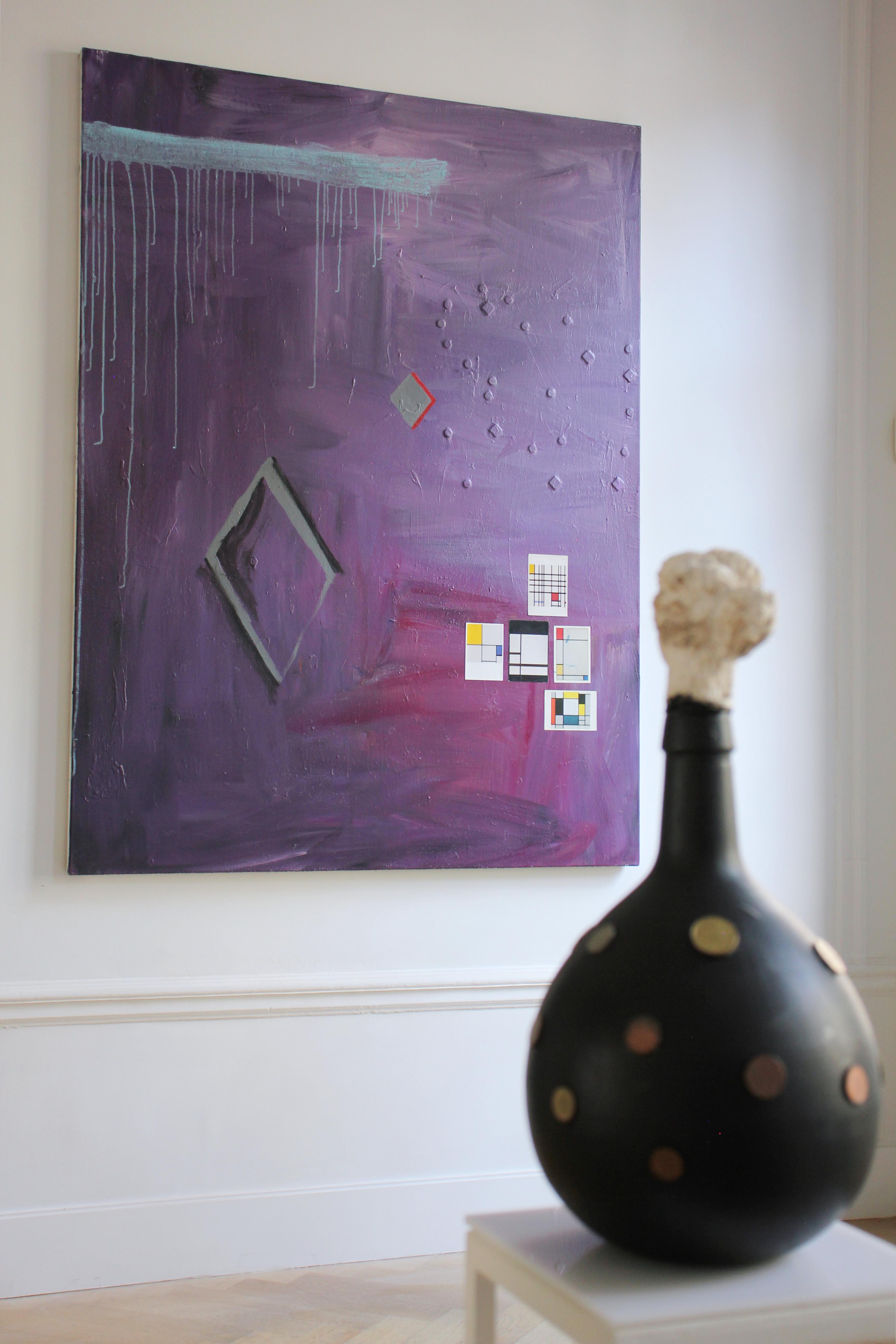
It would be easy to identify the references (and I am surely forgetting many!) that haunt the works of Manon Bara, Aurélie Gravas, Joke Hansen, and Xavier Noiret-Thomé; to trace, from so-called “popular” iconography to the influences of Arshile Gorky, Jean Brusselmans, Fernand Léger, Sigmar Polke, or Philip Guston, what—for those in search of fetishes—might serve as passwords to justify their attention and legitimize their gaze.
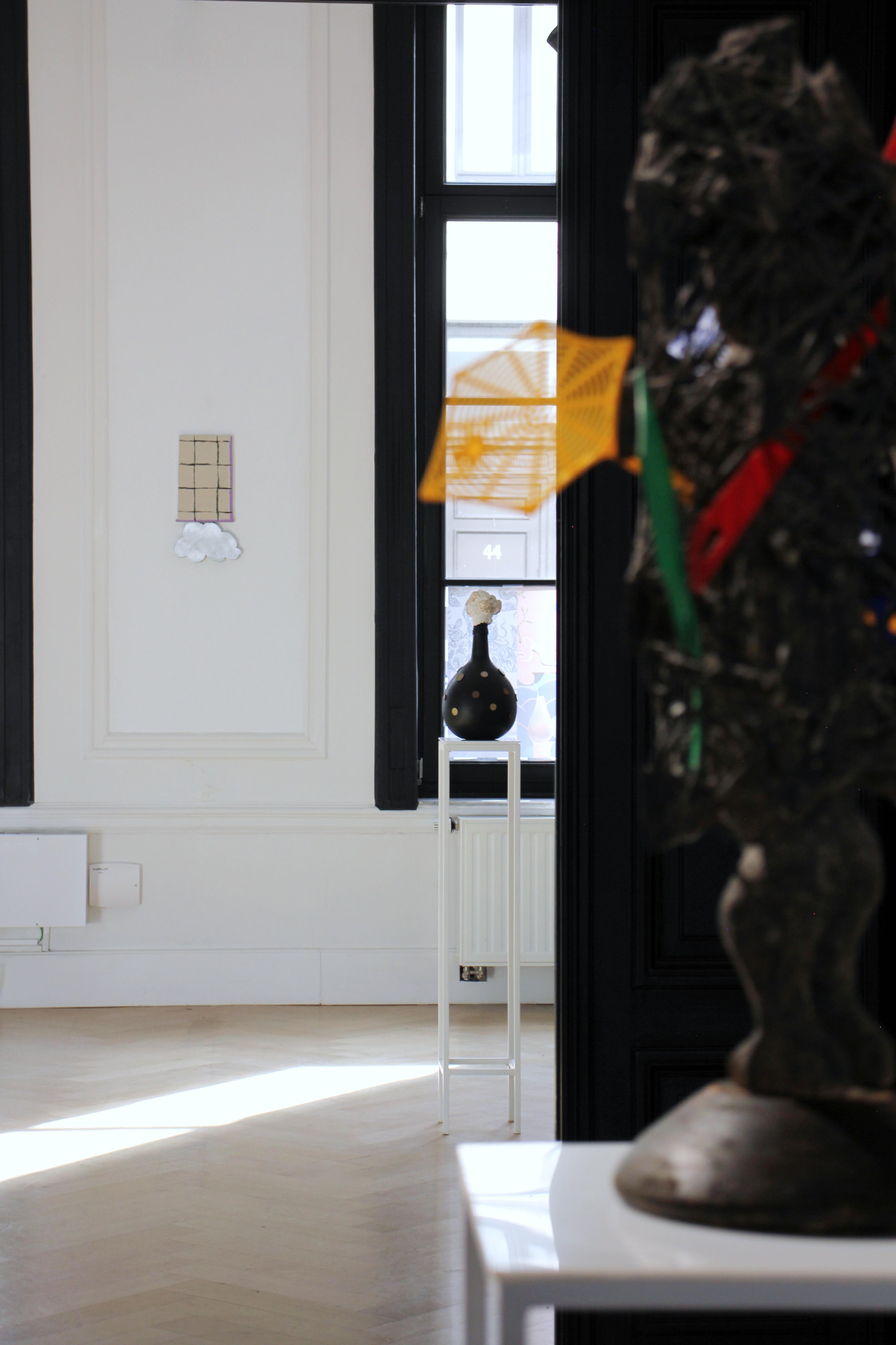
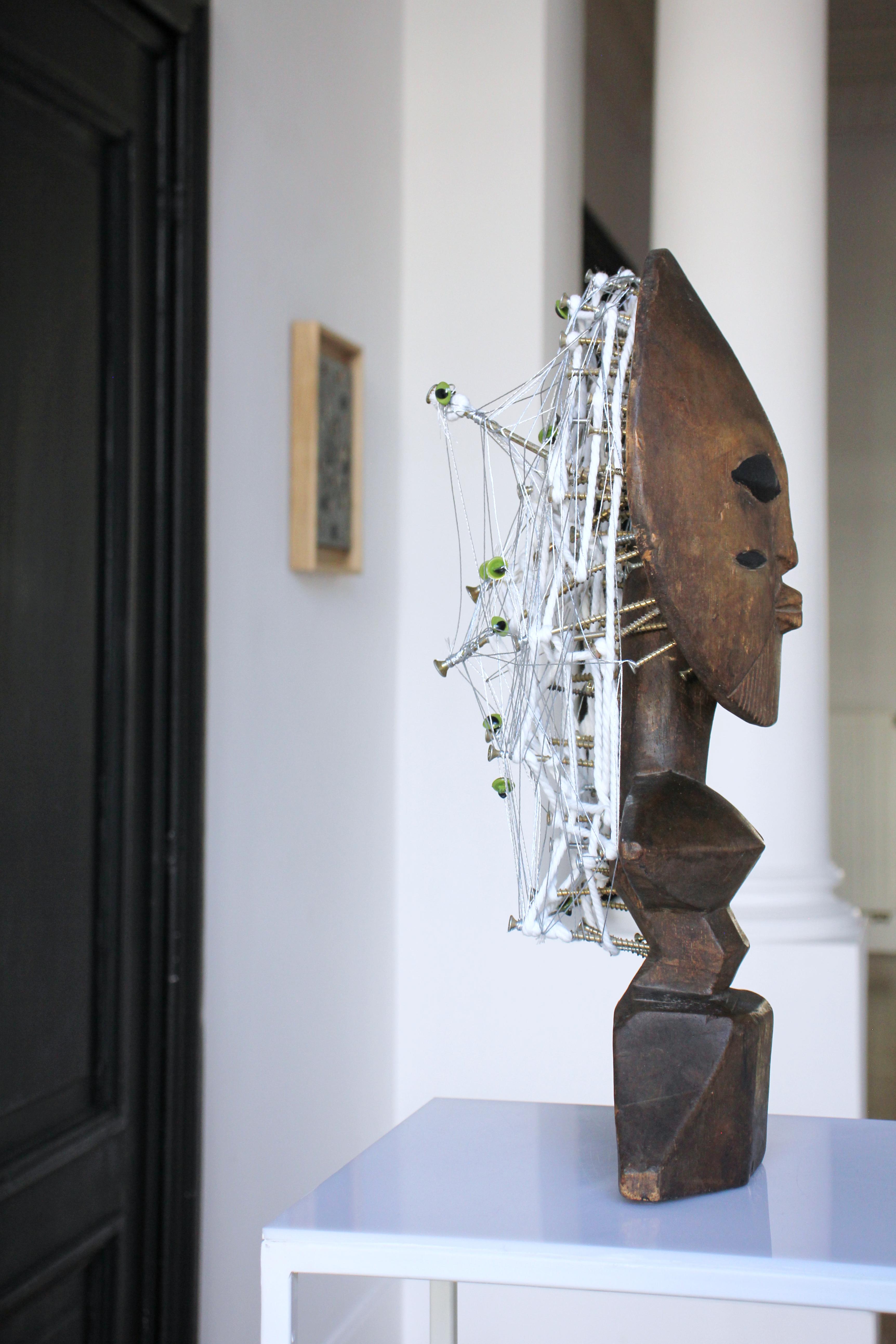
A more adventurous—and certainly more realistic—approach is to consider these pieces as “things” (a nod to Bruno Latour’s distinction between “thing” and “object.” See, on this subject,Pourquoi la critique est à court de carburant ? , Météores Editions, Brussels, 2025), rather than merely objects. That is, as encounters, provisional assemblages responding to specific problems—negotiated solutions to conflicts that do not belong to them directly, but which they reincarnate, extend, and transform, both conceptually and aesthetically.
These are things, traversed by enduring problems that reemerge differently each time. In this sense, they do not need criticism, but spokespersons—like animals, gods, or soap bubbles.
Silent materials that resist their strictly material or fetishized condition, whose identity,constantly recomposed, reaches far beyond the limits imposed upon them.
What is substantial and singular rests on particular encounters and intertwinings: between the act of painting and, for example, what a face and a body demand; between history and the boundaries it produces; between weapons and the sea; a tree at night; the weight of the dead and their poetry; colors, techniques, and possible formats; and, finally, the spark that arises from choosing among all of this, to begin again—attentive to other worlds and new things.
Idios is a geography, a work open to anyone willing to extend it. Not a territory to be delimited again and again, nor a field for elective justifications, but a web of local associations, of problems reincarnated, held together only by the way one chooses to lose oneself within it...in order to grow there in turn.
Benoît Dusart

Features:
Noiret-Thomé Xavier Gravas Aurélie Bara Manon Hansen Joke
This website uses cookies

We use cookies to ensure proper operations of the website, you can read our legal notice and our privacy policy to know more.

Accept cookies Manage cookies